

The Benefits of Electric Stoves
The range is in the center of any kitchen. It's a crucial appliance in your kitchen, whether you're griddling pancakes on a Saturday morning, or roasting a turkey for Thanksgiving.
Electric stoves are your only alternative if you live in an apartment for rent or a neighborhood without gas lines. Here are a few advantages and disadvantages of this kind of stove.
Energy Efficiency
For some cooks, nothing is comparable to the roar, click and blaze of blue flames that lick the edges of a pot. But those same flames create harmful toxic substances that can be harmful to the environment and your health. Natural gas stoves have been linked to asthma and other respiratory issues. A increasing number of cities, states and nations are banning new natural gas hookups for homes and buildings. Electricity decreases your exposure to pollutants and helps protect the environment. Government programs also offer discounts on the cost of heating.
Electric stoves plug into the standard 240-volt outlet to provide power and make use of electricity to heat your cookware. Electric stoves that are conventional, whether flattops or coil ranges, employ heating elements, such as exposed metal coils beneath the glass ceramic surface or electromagnetic waves. When the coils are heated or magnetic fields are in motion and you are able to place your cookware directly on the top of them and heat it. Induction stoves make use of magnetic currents instead of surfaces or coils to heat your cookware directly.
You can cut down on your energy costs regardless of how the stoves operate by selecting the lowest setting for heat and selecting the best cookware. Cookware with lighter weights can cook faster, and cookware with flat bottoms transmits heat better, and certain metals (such copper) conduct heat better than others. Making sure you use the right size pot on the stove can cut down on energy use by 40 percent.
When compared to the energy consumed by your refrigerator or other appliances electric stoves use much less energy. You can also save money by using a timer that will shut off the oven and using an induction-compatible stove to cook quick meals.
Consider investing in wind or solar power for your home to cut down the cost of energy. This is not a green move because the electricity is usually generated by fossil fuels. However, it is an important step in the right directions. Natural gas production and transportation practices can also contribute to climate change.
Convenience
Electric stoves do not require gas lines and are an excellent choice for homes who don't want to deal with the hassles of maintaining or repairing gas lines. They heat faster than gas and are simpler to clean, making them a popular choice for home buyers who care about the energy cost. If you're looking for a high-quality electric stove, browse the range at Slager Appliances today!
Electric stoves feature heating elements that are stacked. This allows for more precise and quick control of heat than gas stoves. They also don't hold heat for as long, which reduces the chance of burning. Electric ranges also have an even surface that is less difficult to clean than other kinds of cooktops. This makes it a good choice for families with young children or pets who might accidentally drop and spill food on the stovetop.
Many electric stoves have convection ovens, which makes use of hot air to circulate within the oven and warm any hot spots. This results in more consistent oven temperature, allowing you to achieve the best results from dishes like braised meats and breads that have been proofed. If you're thinking about buying the purchase of a new electric cooktop look into one with American or European convection to maximize your cooking experience.
While gas stoves are a popular choice but more and more homeowners are choosing to replace them with electric models. Electric stoves are not only more convenient and cheaper however, they are also eco-friendly. Electric stoves are more eco friendly than gas stoves because they consume less fossil fuel and release less greenhouse gases, helping to safeguard the climate. They also produce less carbon monoxide, which is a dangerous byproduct of combustion that can lead to poisoning.
The stove you choose will depend on the cookware you have and how often you utilize your kitchen. For instance gas stoves are great for grilling and charring foods, while electric cookware works best for stir fry. When deciding between electric and gas stoves, think about your cooking style and the availability of natural gas connections in your area. You may also want to investigate local energy rebates. The government offers billions of incentives to help you switch.
Safety
The main drawback of electric stoves is that, if you forget to turn off the burners, or allow them to remain on for too long, they can start an fire. This is a danger that could occur with any stove, including gas ranges. The good thing is that these incidents generally result from human error, like inexperienced cooks or owners who are prone to forgetting to leaving the stove on. The majority of stoves have protection against overheating and flame failure protection to stop the possibility of fires.
One of the most frequent ways that people burn themselves on electric stoves is by touching a hot surface or dropping something onto it. This is less of an issue with modern glass-top ranges that have a flat, smooth surface which is flush with the rest of the counter. This makes them much easier to clean than gas stoves with grates over each burner.
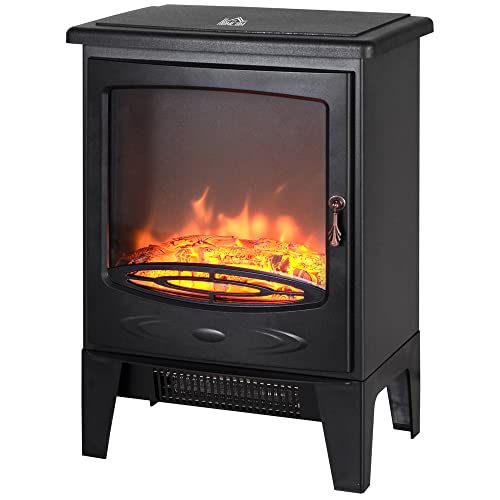
A lot of newer models have sensors that detect spills and shut down the stove if there are any. electric stoves fireplace is a vital feature for older homeowners who might be suffering from impaired cognitive abilities and might overlook checking the stove before leaving the home.
Induction cooktops are another popular choice for stoves, that use magnetic fields to generate heat. They're also extremely energy efficient and reduce the risk of burn injuries due to their precise heating. Induction stoves are more expensive than traditional glass-top or coil stoves, but they're worth the investment for safety and convenience.
Electric stoves require 240 volts to move between two legs of current. If one of the legs is disrupted by blowing fuses or other issue (via Appliance Repair Specialists) the stove won't work. This could be a major problem for homeowners who live in areas that are prone to frequent power outages or storms. But replacing the fuse will fix the issue and restore your stove back to functioning.
Maintenance
Electric stoves operate by heating steel coils underneath the burners. These coils provide heat to the pots or pans that are positioned on the top. They are the ones that have to be kept clean. Food debris or spills can stop the heating elements of an electric stove from working effectively, resulting in poor cooking and higher energy costs. Some stains can be stubborn on electric cooktops however, some can be removed using an easy cleaner and a scrubby cloth.
Aside from removing debris that has burned on, it is recommended to wipe down an electric stove after each use to keep it looking and working well. Keep the burners and stovetop clean to prolong the lifespan of your appliance. To avoid scratching the surface of a stovetop that is electric, an antiabrasive pad should be used.
A regular cleaning schedule can keep your electric stove in good condition. The majority of manufacturers recommend cleaning your electric stove at least once every week with warm water, mild detergent or non-abrasive household cleaner. The frequency of cleaning will depend on your lifestyle, the amount of food you cook on the stove, and the location of the kitchen. Some areas will require more frequent cleaning than others.
Unlike a gas stove, which requires the removal of the burners and grates to clean them thoroughly, many electric stoves have coils that are removable which can be cleaned by hand. Electric coils should not be submerged in water or soaked, as this could cause electrical problems.
A periodic maintenance service is recommended every year, usually in the fall or spring prior to lighting the stove for winter. The technicians can inspect the stove thoroughly to ensure that all components are functioning properly and ensure that there aren't any issues that could cause the heater to fail in the future. The technician will be able determine and fix any issues quickly in the event of a break down. This service is usually cheaper than replacing the stove.